This Mysterious Aspect of Online Shopping: Understanding Dark Web Marketplaces
The growth of digital commerce has revolutionized the way we buy, providing simplicity and entry to a apparently infinite array of products and offerings. Nonetheless, this digital marketplace also has a obscure counterpart known as dark web marketplaces. Operating below the surface of the internet, these clandestine platforms offer a variety of items—some lawful but many illegal—that address a variety of buyers.
Delving into the world of the darknet reveals not only the appeal of privacy but also the sinister motivations behind these deals. From criminal drugs and stolen information to counterfeit bills and dangerous weapons, darkweb markets create a unique ecosystem where rules are minimal and risk is elevated. Recognizing the hidden aspects of e-commerce involves examining these covert markets and acknowledging their impact on communities.
Overview of Dark Net and its Features
The darkweb refers to a part of the internet that is not listed by conventional search tools and requires specific applications to access. Most commonly associated with the Tor network, the darkweb provides a platform where users can explore and interact without being identified. This secrecy attracts diverse users, including those who wish to maintain their identity, as well as those engaged in illegal activities. The dark net operates distinctly of regular web protocols, making it a nexus for both positive and negative interactions.
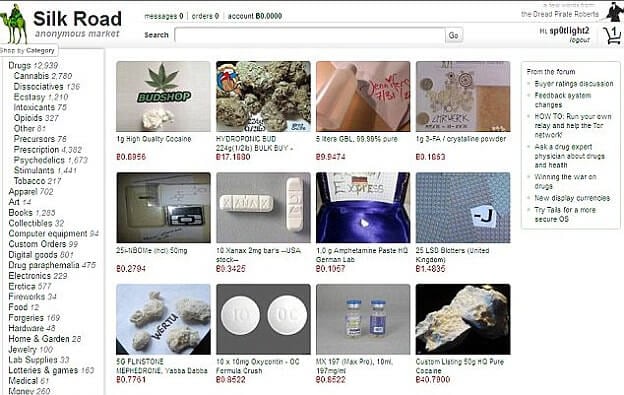
Darknet markets are online platforms located within the darkweb that assist the exchange of goods and items, often involving illegal or banned goods. These markets function like to online stores but with a focus on anonymity and safety. Users can buy a variety of items, including controlled substances, firearms, and stolen information, usually using digital currencies to further conceal their details. The structure of these platforms allows for user feedback and evaluations, creating a sense of trust among buyers and sellers despite the unlawful nature of the transactions.
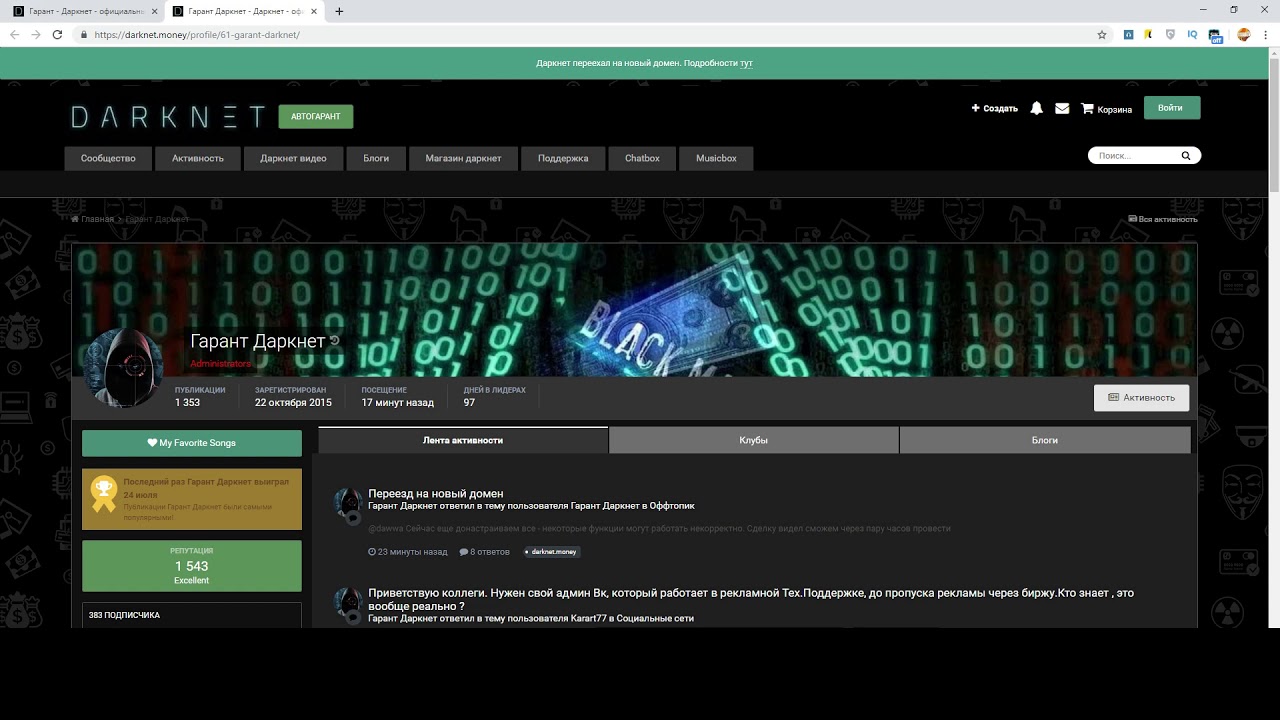
The mechanism of dark web markets is heavily reliant on encryption and decentralization, which helps to protect the details of both buyers and sellers. Access to these markets is typically provided through dedicated software like The Onion Router, which hides user actions. This system not only ensures confidentiality but also complicates authorities efforts to observe and control activities within these environments. Despite their illegal nature, darkweb platforms exhibit a unique economy characterized by a variety of items and an evolving set of challenges for authorities trying to combat the illicit trade.
Dangers and Risks of Dark Web Markets
Involvement with dark web markets subjects users to a wide array of risks, mainly due to the anonymous nature of these sites. Participants frequently participate in illegal transactions, which can lead to severe legal consequences if caught. Law enforcement officials actively monitor darkweb activities, and being found purchasing illicit items can lead to prosecution. This shadowy marketplace thrives on anonymity, but this very aspect can render users easier targets for scrutiny.
Another notable risk is the likelihood for fraud and fraud. Many sellers on darkweb markets are not reliable, often using fake identities to sell non-existent products. Buyers can quickly waste their funds without any means of recourse, as standard consumer protections do not exist in this environment. Additionally, poorly managed market platforms may disappear overnight, absconding with users' money and personal information with them, creating a sense of insecurity among those who dare to participate with these markets.
Moreover, the threat of encountering harmful or malicious content is high on darkweb markets. Users may unintentionally come across disturbing materials that can have psychological effects or derive from criminal activities. Furthermore, there is always a danger of exposure to malware and cyber attempts, as malicious actors may seek to exploit unsuspecting buyers. This plethora of array of threats makes it critical for anyone considering participation with darkweb markets to move forward with extreme caution.
Legal Consequences and Enforcement Challenges
The legal landscape surrounding darknet platforms is intricate and in a state of flux. Many operations conducted on these sites, such as controlled substances sales, weapon sales, and personal information breaches, are prohibited in most regions. This creates a major challenge for justice departments, as they must deal with a varied of laws that differ greatly between nations. darkmarket 2026 provided by the dark web complicates the detection of offenders and the trial of crimes, making it hard to define jurisdiction and pursue legal actions.
Enforcement efforts are often hindered by the very essence of the dark web's infrastructure. Many vendors utilize crypto assets to facilitate transactions, further obscuring the identification of customers and merchants. Additionally, these platforms are often hosted on hosts that can be relocated or closed swiftly, leading to a game of cat and mouse between authorities and market operators. The temporary nature of these markets means that while one might be closed, others swiftly arise to take its place, continuing the pattern of criminal behavior.
Collaboration between international law enforcement agencies is essential to combating hidden web operations. However, discrepancies in legal frameworks and the challenges of jurisdiction can result in holdups and ineffective practices. As nations work to improve their regulations and capabilities to tackle these offenses, the continuously adapting methods employed by dark web vendors remain a ongoing challenge. This continuing struggle highlights the requirement for robust legal systems and better international collaboration to effectively tackle the underside of digital trade.